
 Articles
Employee and Works Council Benefits: Designing a Useful Programme
The value of a benefits programme is measured by what employees actually use. Access, diversity of offers, support, and indicators: the choices that transform a catalogue into a useful service.
 Recognize what connects us.
 Recognize what connects us.

Key takeaways
- Start with employee needs and access constraints.
- Separate offers viewed from benefits actually used.
- Validate responsibilities and allocation rules.
Start with usage
A benefits programme is not just about the number of offers displayed. Its usefulness depends on the ability to find, understand, and use these resources. Office workers, field staff, and shift workers don't always have the same access. Identify the expenses or needs the programme must address and any availability constraints. A brief survey, discussions with employee representatives, and an analysis of existing requests will help prioritize services.
Clarify responsibilities
Distinguish between employer-led programmes, works council activities, and recognition initiatives. Funding sources, allocation rules, and contacts differ. The social and tax implications must be examined for each benefit according to the applicable context; a catalogue alone cannot guarantee a favorable tax regime. Prepare a fact sheet for each programme: beneficiaries, conditions, amount, frequency, supporting documents, and information to be submitted. Decisions must be validated by the appropriate individuals before implementation.
Make the experience accessible
Mobile access, readable text, and short navigation benefit all users. Consider employees without a work email address, new hires, departures, and changes in circumstances. Support should be readily available from the moment of arrival. A list of conflicting conditions or an unusable code is enough to erode trust. Test the entire process, from invitation to benefit redemption. Also measure access failures and account recovery requests, not just successful logins.
Balance choice and understanding
A large catalogue requires clear organisation. Group benefits by use, explain the conditions before the final click, and avoid presenting ordinary discounts as exceptional. The actual value for the employee depends on the reference price, exclusions, location, and validity period. A shorter selection can be easier to read. Highlight useful services, experiences, and alternatives tailored to various situations, without inferring sensitive personal needs from simple browsing habits.
Assess usefulness, not just usage
A connection is not proof of satisfaction. Track access to offers, their use, difficulties encountered, and requests for help. Qualitative feedback sometimes explains why an offer with few views nevertheless meets a significant need. Compare usage by channel or user group in a sufficiently aggregated way. Avoid drawing individual conclusions about employees. Regular review allows us to remove disappointing offers, improve explanations and highlight services that provide concrete benefits.
The Utility Dashboard
| Indicator | What it helps to decide |
|---|---|
| Successful access / attempts | Simplify login and support |
| Unique users of a benefit / eligible users | Adjust the relevance and visibility of offers |
| Reuse at 90 days | Identify recurring utility |
| Post-use satisfaction | Correct the offer or its delivery |
| Cost per active beneficiary | Allocate resources within a stable scope |
Read the usage gaps before renewing the offer
Segment the analysis according to the access conditions relevant to your organization: website, mobile access, equipment, or length of time using the system. Maintain a level of aggregation that protects individual usage patterns. A group that rarely connects may have difficulty identifying the product; a group that views the product but doesn't use it may not find the expected features.
Supplement the statistics with a few user journey interviews. Ask to identify a specific benefit, explain its conditions, and access support. Observing these tasks produces a more concrete list of improvements than a general question about satisfaction.
Organize regular service reviews
| Management question | Elements to compare | Possible Decision |
|---|---|---|
| Who actually accesses the service? | Eligible individuals, successful access, and difficulties per population. | Adapt the connection or communication |
| What benefits are useful? | Repeated uses, conditions, and beneficiary feedback. | Strengthen useful product categories, review underutilized offerings. |
| Does the support resolve the difficulties? | Reasons, deadlines, and reopening of requests. | Correct a recurring cause in the process. |
| What cost for what use? | Defined costs, active beneficiaries, and identical time period. | Reallocate the budget to documented uses. |
 White papers
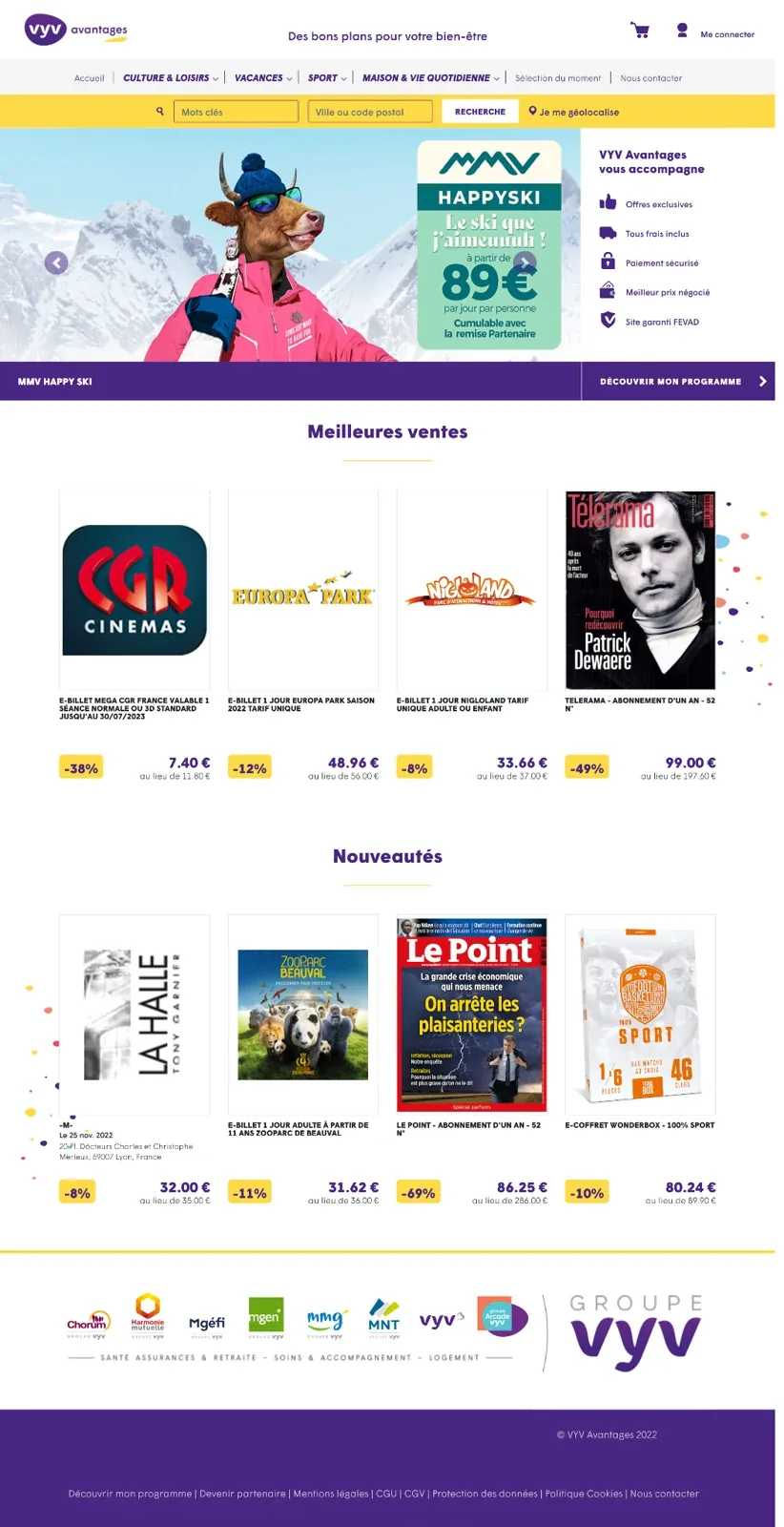
 News
 Glossary